
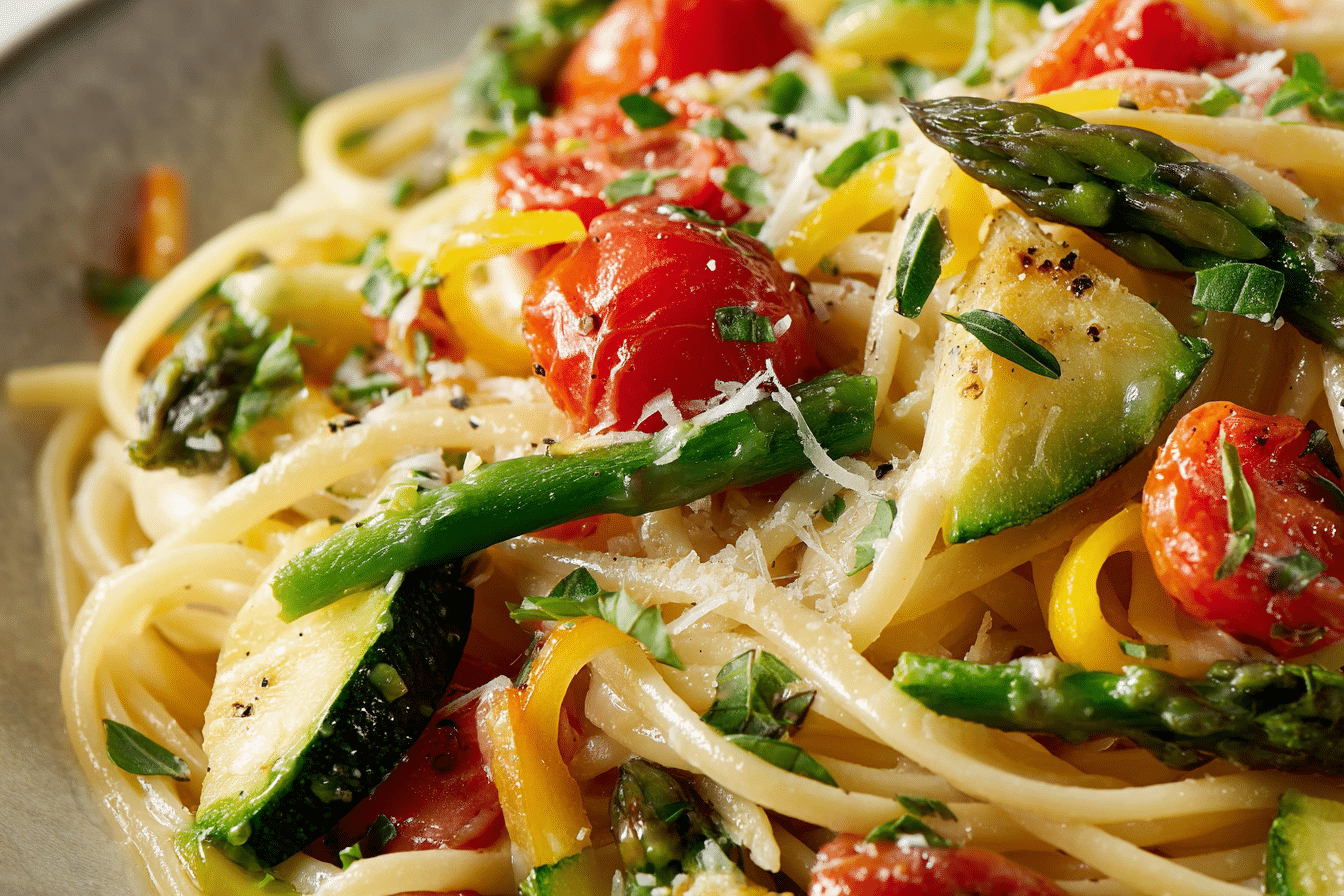
Pasta Primavera is a vibrant, vegetable-packed dish that brings together tender pasta and a medley of fresh seasonal produce in a light, flavorful sauce. Known for its balance of texture and brightness, this recipe celebrates simple ingredients that come together in a satisfying and wholesome way.
The beauty of Pasta Primavera lies in its flexibility. It can shift with the seasons, highlighting whatever vegetables are at their peak, while still delivering a consistent, comforting experience. Whether served as a quick weeknight dinner or a centerpiece for a casual gathering, this dish offers both freshness and warmth in every bite.
Ingredients Overview
Pasta Primavera relies on a thoughtful combination of pasta, fresh vegetables, aromatics, and a light sauce to tie everything together. The pasta serves as the foundation, with shapes like penne, fettuccine, or spaghetti holding the sauce and vegetables well.
Vegetables are the heart of this dish. Common choices include zucchini, bell peppers, cherry tomatoes, broccoli, carrots, and snap peas. Each vegetable adds its own texture and subtle flavor, creating a layered and balanced dish. Softer vegetables like zucchini cook quickly and become tender, while broccoli and carrots provide a slight bite.
Garlic and onion form the aromatic base, giving depth without overpowering the freshness of the vegetables. Olive oil is typically used to sauté and coat the ingredients, adding a smooth richness.
The sauce is often light, made with a splash of pasta water, olive oil, and sometimes a touch of cream or grated Parmesan cheese. This keeps the dish from feeling heavy while still providing enough body to bring everything together.
Substitutions are easy and practical. Gluten-free pasta works well, and vegetables can be swapped based on availability. For added protein, grilled chicken or shrimp can be included without changing the essence of the dish.
Ingredients
12 ounces penne or fettuccine pasta
2 tablespoons olive oil
3 cloves garlic, minced
1 small yellow onion, thinly sliced
1 cup broccoli florets
1 medium zucchini, sliced into half-moons
1 cup cherry tomatoes, halved
1 small carrot, julienned
1 red bell pepper, sliced
1 cup snap peas
1/2 teaspoon salt
1/4 teaspoon black pepper
1/2 teaspoon dried Italian seasoning
1/4 teaspoon red pepper flakes (optional)
1/2 cup grated Parmesan cheese
1/3 cup reserved pasta water
2 tablespoons butter (optional for richness)
2 tablespoons fresh basil, chopped
Step-by-Step Instructions
Begin by bringing a large pot of salted water to a boil. Add the pasta and cook according to package instructions until al dente. Before draining, reserve about one-third cup of the pasta cooking water. Drain the pasta and set it aside.
While the pasta cooks, prepare all vegetables so they are ready to go. Keeping everything prepped in advance helps maintain even cooking and prevents overcooking delicate ingredients.
Heat olive oil in a large skillet over medium heat. Add the sliced onion and cook for about 2–3 minutes until it begins to soften. Stir in the garlic and cook for another 30 seconds, just until fragrant. Be careful not to let the garlic brown, as it can turn bitter.
Add the broccoli and carrots first, as they take slightly longer to cook. Sauté for about 3–4 minutes, stirring occasionally. Next, add the bell pepper, zucchini, and snap peas. Continue cooking for another 3–5 minutes until the vegetables are tender but still have a slight crispness.
Stir in the cherry tomatoes last, allowing them to soften slightly without breaking down completely. Season the mixture with salt, black pepper, Italian seasoning, and red pepper flakes if using.
Add the cooked pasta directly into the skillet with the vegetables. Pour in the reserved pasta water and gently toss everything together. The starch in the water helps create a light sauce that coats the pasta evenly.
If a richer texture is desired, add butter at this stage and let it melt into the mixture. Sprinkle in the grated Parmesan cheese and toss again until everything is well combined.
Taste and adjust seasoning if needed. Finish with freshly chopped basil for a fresh, aromatic touch.
Avoid overcooking the vegetables, as they should retain some firmness. Mushy vegetables can make the dish feel heavy instead of fresh and balanced.
Tips, Variations & Substitutions
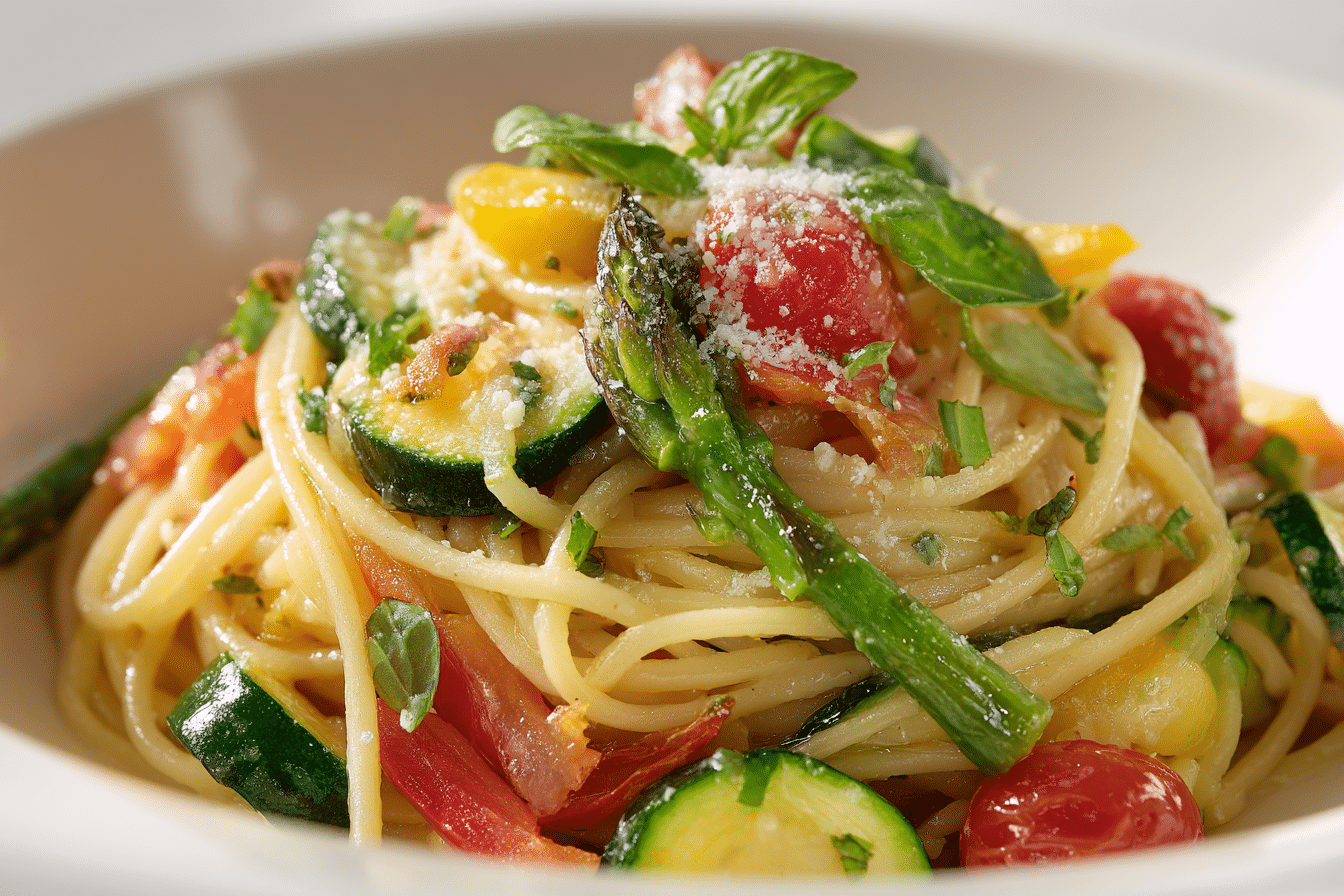
For the best flavor, use fresh, in-season vegetables whenever possible. This keeps the dish bright and naturally flavorful without needing heavy sauces.
To add protein, grilled chicken, shrimp, or even chickpeas can be mixed in. These additions make the dish more filling while still keeping its light character.
For a dairy-free version, skip the butter and Parmesan and use a drizzle of extra olive oil or a sprinkle of nutritional yeast. The result remains flavorful and satisfying.
If a creamier texture is preferred, add a splash of heavy cream or half-and-half along with the pasta water. This creates a slightly richer sauce without overwhelming the vegetables.
Whole wheat or gluten-free pasta can be used as alternatives. Both hold up well and maintain the structure of the dish.
Roasting the vegetables instead of sautéing them is another variation. This brings out deeper flavors and adds a slightly caramelized taste that pairs beautifully with the pasta.
Serving Ideas & Occasions
Pasta Primavera is ideal for spring and summer meals when fresh vegetables are abundant, but it works year-round with seasonal adjustments. It’s often served as a main course for lunch or dinner, especially when a lighter meal is preferred.
Pair it with a crisp green salad dressed with lemon vinaigrette to complement the freshness of the dish. Garlic bread or a simple baguette makes a great side, adding a bit of crunch.
For drinks, a chilled white wine like Pinot Grigio or Sauvignon Blanc pairs well, as it matches the light and fresh profile. Sparkling water with lemon is a refreshing non-alcoholic option.
This dish is also well-suited for gatherings, potlucks, or family dinners because it can be made in large batches and served warm or at room temperature.
Nutritional & Health Notes
Pasta Primavera offers a balanced combination of carbohydrates, fiber, and healthy fats. The vegetables provide essential vitamins and minerals, while the olive oil contributes heart-friendly fats.
Using a variety of vegetables increases the nutrient diversity of the dish. Broccoli and bell peppers add vitamin C, while carrots contribute beta-carotene.
Portion control and ingredient choices can adjust the nutritional profile. Reducing cheese and butter lowers saturated fat, while adding lean protein increases satiety.
Whole grain pasta can boost fiber content, supporting digestion and helping maintain steady energy levels.
This dish is naturally adaptable for different dietary preferences, making it a practical option for many eating styles.
FAQs
Can I make Pasta Primavera ahead of time?
Yes, Pasta Primavera can be prepared ahead, but it is best enjoyed fresh. If making in advance, cook the pasta and vegetables separately and store them in airtight containers. Combine and reheat gently on the stove with a splash of water or broth to loosen the sauce. This helps maintain the texture of the vegetables and prevents the pasta from drying out. Avoid overcooking during reheating, as the vegetables can become too soft.
What type of pasta works best?
Short pasta like penne or rotini works well because it पकड़s the vegetables and sauce in each bite. Long pasta such as spaghetti or fettuccine is also a good choice if you prefer a more classic presentation. The key is to cook the pasta until al dente so it holds its structure when tossed with the vegetables and sauce.
Can I freeze Pasta Primavera?
Freezing is not ideal for this dish because the vegetables can lose their texture and become mushy after thawing. If freezing is necessary, store it in a tightly sealed container and reheat gently. For better results, freeze only the cooked pasta and prepare fresh vegetables when ready to serve.
How do I keep the vegetables crisp?
Cook the vegetables in stages, starting with the ones that take longer. Avoid overcrowding the pan, as this can cause steaming instead of sautéing. Keeping the heat at medium and stirring occasionally helps maintain a slight crispness. Removing the vegetables from heat while they still have a bit of firmness prevents overcooking.
Can I add a protein to this recipe?
Yes, adding protein is a common variation. Grilled chicken, sautéed shrimp, or even tofu can be included. Cook the protein separately and add it at the end to avoid overcooking. This keeps the texture intact and allows the flavors to blend evenly with the pasta and vegetables.
Is Pasta Primavera a creamy dish?
Traditionally, Pasta Primavera is not heavily creamy. It usually has a light sauce made from olive oil, pasta water, and cheese. However, a small amount of cream can be added for a richer texture if desired. The goal is to keep the dish balanced so the vegetables remain the focus.
What vegetables should I avoid?
Watery vegetables like cucumbers are not suitable for cooking in this dish. Also, vegetables that take significantly longer to cook, such as large chunks of potatoes, may not work well unless pre-cooked. Stick to quick-cooking vegetables that retain their structure and color for the best result.
PrintPasta Primavera: 7 Amazing Colorful Comfort Recipe
A fresh and colorful Pasta Primavera packed with seasonal vegetables and tossed in a light, flavorful sauce.
Ingredients
12 ounces penne or fettuccine pasta
2 tablespoons olive oil
3 cloves garlic, minced
1 small yellow onion, sliced
1 cup broccoli florets
1 medium zucchini, sliced
1 cup cherry tomatoes, halved
1 small carrot, julienned
1 red bell pepper, sliced
1 cup snap peas
1/2 teaspoon salt
1/4 teaspoon black pepper
1/2 teaspoon Italian seasoning
1/4 teaspoon red pepper flakes
1/2 cup grated Parmesan cheese
1/3 cup pasta water
2 tablespoons butter
2 tablespoons fresh basil
Instructions
- Cook pasta in salted boiling water until al dente and reserve pasta water.
- Heat olive oil and sauté onion until soft.
- Add garlic and cook briefly.
- Add broccoli and carrots, cook for several minutes.
- Add remaining vegetables and cook until tender-crisp.
- Stir in tomatoes and seasonings.
- Add pasta and reserved water, toss well.
- Mix in butter and Parmesan until combined.
- Finish with fresh basil and serve warm.
Notes
Do not overcook vegetables to keep texture fresh.
Adjust seasoning to taste.
Add protein if desired.