
There’s something truly magical about pulling a rustic, golden loaf of homemade bread from the oven—especially when it’s as effortlessly impressive as this No-Knead Ciabatta with a Light and Airy Crumb.
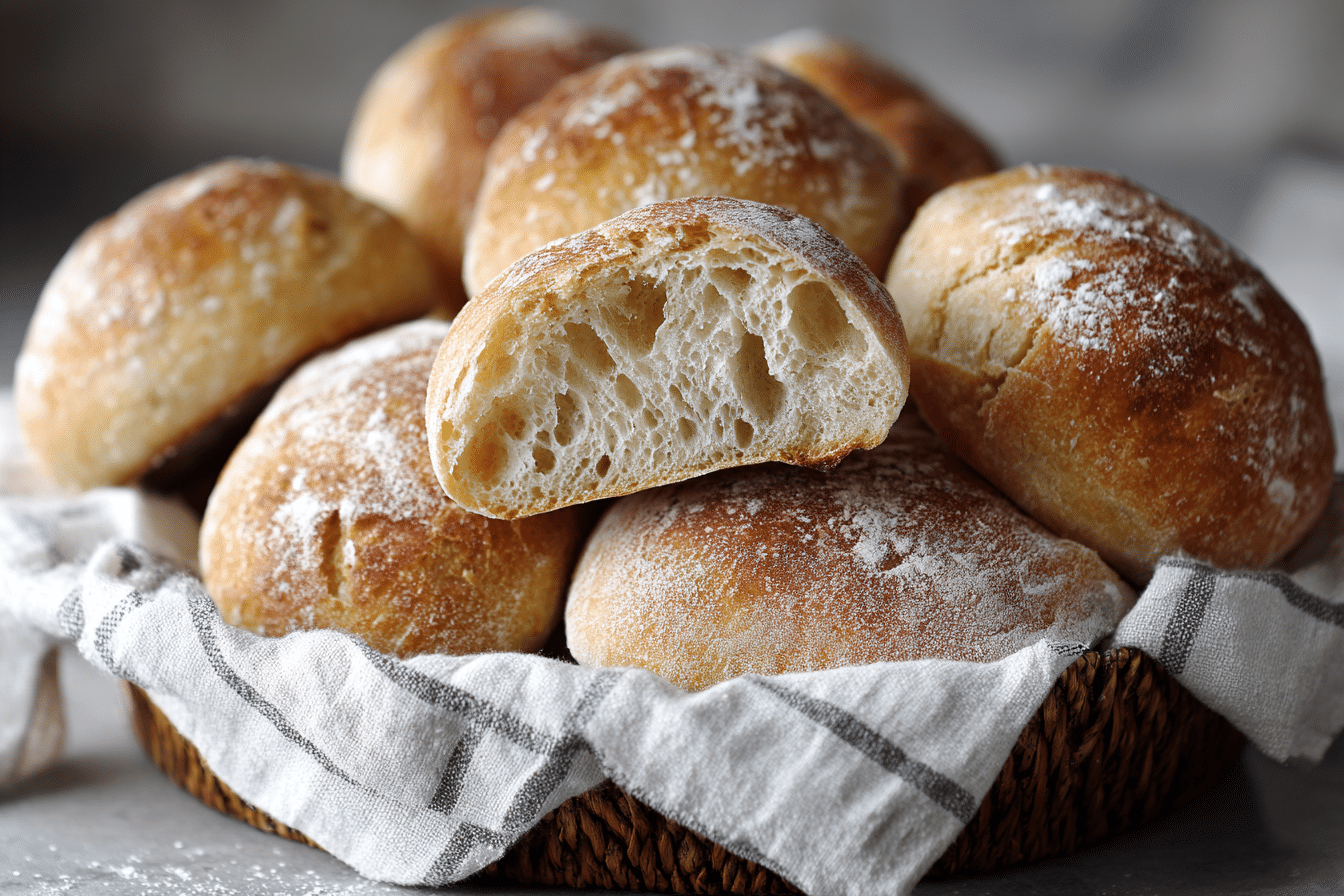
Ciabatta, which means “slipper” in Italian, gets its name from its flat, elongated shape. But it’s what’s inside that truly captivates: a delicate, open crumb that’s wonderfully chewy and full of irregular air pockets. The crust is crisp and crackly, while the interior is soft, tender, and ever so slightly tangy from the slow fermentation process.
This version requires no kneading at all—just simple ingredients, time, and a bit of patience. It’s a high-hydration dough, which means it stays wetter than most, but that’s the secret behind the ciabatta’s signature airy texture. With only four main ingredients and minimal hands-on work, you can achieve bakery-level results right from your home oven.
Whether served warm with olive oil, as the base for panini, or alongside a bowl of soup, this no-knead ciabatta delivers the rustic charm and satisfaction of artisan bread with surprising ease.
Ingredients Overview
Let’s take a look at the core elements that create this light and airy ciabatta:
Bread Flour: This high-protein flour gives the dough its necessary structure to trap air and support the open crumb. While all-purpose flour can be used in a pinch, bread flour is strongly preferred for the best chew and rise.
Water: Hydration is key in ciabatta. A high water-to-flour ratio creates a sticky dough that bakes into those large, irregular holes. Use lukewarm water—about 95°F—to support fermentation.
Active Dry Yeast: A small amount goes a long way here. This slow-fermented dough only needs a tiny bit of yeast thanks to the long rise time, which helps develop flavor and texture.
Salt: Just enough to balance the flavor and help tighten the gluten structure slightly, making the crumb even more satisfying.
Optional additions include a drizzle of olive oil in the mixing phase or a touch of whole wheat flour for a more complex, nutty note. But at its core, ciabatta thrives on simplicity.
Step-by-Step Instructions
-
Mix the Dough (Night Before):
In a large bowl, combine 3 ¼ cups bread flour, 1 ½ tsp salt, and ¼ tsp active dry yeast. Stir in 1 ½ cups lukewarm water until a shaggy, sticky dough forms. The dough will be very wet—that’s exactly what you want.
Cover the bowl with plastic wrap or a lid and let it rest at room temperature for 12–18 hours. It should double in size and develop bubbles on the surface. -
Shape the Dough (Next Day):
Lightly flour your work surface and gently scrape the dough out. Avoid deflating it too much—you want to preserve those air pockets.
Dust the dough with flour and stretch it gently into a rectangle. Fold it once or twice to give it some structure, then let it rest for 20 minutes. -
Final Shaping:
Shape the rested dough into a log or slipper shape by folding it again and gently nudging it into a rectangular loaf about 10–12 inches long. Transfer to a well-floured parchment sheet or proofing cloth. -
Second Rise:
Cover the shaped dough with a towel and let it rise at room temperature for 1 ½ to 2 hours. It should puff up noticeably but remain delicate. -
Preheat the Oven:
Place a baking stone, steel, or an inverted baking sheet in the oven. Preheat to 475°F (245°C) at least 30 minutes before baking to ensure a strong oven spring. -
Bake:
Gently slide the dough (with parchment) onto the hot baking surface. Bake for 20–25 minutes, or until the crust is deeply golden and sounds hollow when tapped. For extra crispiness, spray a bit of water into the oven at the beginning to create steam. -
Cool:
Let the bread cool completely on a wire rack. This allows the crumb to finish setting and prevents it from becoming gummy.
Tips, Variations & Substitutions
Hydration Tips:
Don’t be tempted to add more flour. A sticky dough is crucial for an open crumb. Wet your hands when handling the dough to prevent sticking instead of adding flour.
Flavor Enhancements:
Stir in chopped olives, roasted garlic, or herbs during the initial mix for flavored ciabatta. Add-ins should be dry or well-drained to avoid affecting hydration.
No Dutch Oven Needed:
While many no-knead breads use a Dutch oven, ciabatta benefits more from a stone or steel surface and steam for that rustic, open texture.
Flour Options:
Replace up to 20% of the bread flour with whole wheat for added complexity. Avoid using only whole wheat—it will make the bread denser.
Gluten-Free Version:
A gluten-free version is challenging due to the high hydration and structure needed for an open crumb, but some gluten-free all-purpose flour blends may work with xanthan gum and reduced hydration.
Serving Ideas & Occasions
This no-knead ciabatta shines in so many roles. For breakfast, toast thick slices and spread with salted butter or jam. At lunch, use it for hearty sandwiches or press it into a golden, melty panini.
It’s perfect as a rustic dinner side—tear off pieces and dip them in olive oil and balsamic vinegar or serve alongside soups like tomato basil or minestrone. For entertaining, cut it into cubes and toast them into crostini or use as the base for bruschetta.
It also makes an excellent base for garlic bread or even as an accompaniment to cheese boards. This versatile loaf is always welcome at the table, whether it’s a casual weeknight or a special occasion.
Nutritional & Health Notes
Ciabatta is a simple bread, free from preservatives and additives. A slice contains roughly 100–120 calories, mostly from complex carbohydrates, with minimal fat and protein.
Its long fermentation time gives it better digestibility and deeper flavor compared to quicker breads. Using whole grain flour adds a bit more fiber and nutrients.
For those watching sodium, reducing the salt by 25% still yields good results. And for a higher-protein option, pair it with spreads like hummus, nut butters, or avocado.
While it’s not low-carb or gluten-free, its clean ingredients and homemade nature make it a wholesome, thoughtful choice compared to store-bought loaves.
FAQs
Is it really possible to make ciabatta without kneading?
Yes! The long fermentation and high hydration allow the gluten to develop naturally without kneading. Just mix, rest, and fold gently.
Why is my ciabatta not airy enough?
Overhandling or too much flour can knock out the air. Stick to the recipe’s hydration level and handle the dough gently, especially during shaping.
How long should I ferment the dough?
At least 12 hours, ideally closer to 18 for maximum flavor and structure. Cooler kitchens may need a bit more time.
Can I bake it in a loaf pan?
Not recommended. Ciabatta’s charm lies in its free-form shape and crust. A loaf pan can restrict expansion and result in a dense texture.
Why is my dough so sticky?
That’s expected! High hydration dough is naturally sticky. Use floured hands and surfaces, or better yet, wet your hands when handling the dough.
Can I use instant yeast instead of active dry yeast?
Yes, you can substitute ¼ tsp instant yeast directly into the flour mixture without proofing. The rise time remains the same.
How do I store leftovers?
Store at room temperature wrapped in paper or a bread bag for 1–2 days. Refresh in a hot oven for 5 minutes to revive the crust. For longer storage, freeze in slices.
Rustic No-Knead Ciabatta Rolls with Crispy Crust
This no-knead ciabatta delivers a chewy crust and light, airy crumb with just four ingredients. It’s the perfect rustic loaf for dipping, toasting, or sandwich-making.
- Prep Time: 10 minutes
- Cook Time: 25 minutes
- Total Time: 13–18 hours
- Yield: 1 large loaf 1x
Ingredients
3 ¼ cups bread flour
1 ½ cups lukewarm water (about 95°F)
¼ tsp active dry yeast
1 ½ tsp salt
Instructions
-
Mix flour, salt, and yeast in a large bowl. Add water and stir until a sticky dough forms.
-
Cover and rest at room temperature for 12–18 hours, until doubled and bubbly.
-
Lightly flour a surface, scrape out the dough, and fold gently into a rectangle. Let rest 20 minutes.
-
Shape into a log and transfer to floured parchment. Cover and let rise 1 ½ to 2 hours.
-
Preheat oven to 475°F with a baking stone or inverted baking sheet inside.
-
Bake loaf on hot surface for 20–25 minutes, until golden and crusty.
-
Cool completely on a wire rack before slicing.
Notes
Do not add extra flour; high hydration creates the airy texture. Use floured or wet hands when handling. Add olives or herbs for flavor variations.